Self-defence cases in Georgia are often legally complex. A person may believe they acted only to protect themselves, their family, or another person, but police and prosecutors may still treat the incident as assault, bodily harm, domestic violence, violent crime, or even a more serious criminal offence. looking for a Self Defence Lawyer in Tbilisi?
In many cases, self-defence situations arise suddenly: during a street conflict, bar fight, family dispute, road incident, attack by another person, or an attempt to stop immediate danger. What matters legally is not only what happened, but whether the force used was necessary, proportionate, and supported by evidence.
If you are accused of a violent offence after acting in self-defence, immediate legal representation from an experienced Self Defence Lawyer in Tbilisi is essential.
Tamta Zarnadze, an experienced criminal defence lawyer in Tbilisi, represents Georgian citizens and foreign nationals accused of assault, bodily harm, violent incidents, domestic violence-related allegations, and other criminal cases where self-defence may be a key legal argument.
Tamta Zarnadze Contacts:
📧 tamta.zarnadze@gmail.com
📞 Phone: +995 593 163 602
🌐 Languages: Georgian · English · Russian
Location: Tbilisi, Chavchavadze Avenue, 75
Self-Defence in Criminal Cases in Georgia
Self-defence may become relevant when a person uses force to protect themselves or another person from unlawful attack or immediate danger. However, the existence of self-defence is not always obvious to investigators.
Read more : Criminal Liability in Georgia: What Foreigners Need to Know
Authorities may examine:
- who started the conflict;
- whether the danger was immediate;
- whether force was necessary;
- whether the response was proportionate;
- whether weapons or objects were used;
- whether injuries support the version of events;
- whether witnesses confirm the defence position.
A successful defence requires a clear legal explanation supported by evidence.
When Self-Defence Becomes a Criminal Investigation
Many self-defence cases begin as ordinary conflicts but quickly turn into criminal proceedings.
Common situations include:
Street Fights
A person may be attacked first but later accused because the other party suffered visible injuries.
Bar or Nightlife Incidents
Conflicts in bars, clubs, or restaurants may involve alcohol, security staff, witnesses, and CCTV evidence.
Domestic Conflicts
Family or relationship disputes may lead to allegations of domestic violence even when the accused claims they acted defensively.
Road Rage Incidents
A confrontation between drivers may escalate into assault or bodily injury allegations.
Defence of Another Person
A person may intervene to protect a friend, family member, or stranger and later become accused of violence.
Read More : Assault Lawyer in Tbilisi
In all these situations, early evidence collection is critical.
Self-Defence and Assault Charges
Self-defence is frequently raised in assault and bodily harm cases.
The key legal question is whether the accused used force to prevent unlawful harm or whether the prosecution can prove intentional unlawful violence.
A defence lawyer may analyse:
- the sequence of events;
- witness statements;
- CCTV recordings;
- medical reports;
- police reports;
- injuries on both sides;
- timing of the alleged attack;
- possible provocation;
- proportionality of the response.
If the evidence supports self-defence, it may become a central argument for dismissal, acquittal, reclassification, or reduction of charges.
Proportionality of Force
One of the most important issues in self-defence cases is proportionality.
Even if a person was attacked first, investigators may question whether the response exceeded what was necessary.
The defence must carefully explain:
- why force was used;
- what danger existed at that moment;
- whether there was an immediate threat;
- whether the accused had reasonable alternatives;
- why the response was necessary under the circumstances.
This analysis often determines the direction of the case.
Evidence That Can Support a Self-Defence Claim
Self-defence cases depend heavily on evidence.
Relevant evidence may include:
- CCTV footage;
- witness statements;
- medical records;
- photographs of injuries;
- emergency call records;
- text messages;
- location data;
- audio or video recordings where legally admissible;
- police body camera or patrol evidence;
- expert conclusions.
A self-defence lawyer must act quickly to preserve evidence before it disappears.
For example, CCTV footage from bars, streets, hotels, restaurants, or residential buildings may be deleted within days.
Self-Defence Cases Involving Foreign Nationals
Foreign nationals accused of violent offences in Georgia face additional challenges.
They may struggle with:
- language barriers;
- unfamiliar police procedures;
- inability to explain the situation clearly;
- lack of knowledge about Georgian criminal law;
- fear of immigration consequences;
- misunderstanding of official documents.
A foreign citizen may believe they are only giving an informal explanation, while in reality the statement becomes evidence in a criminal case.
Tamta Zarnadze provides criminal defence for foreign nationals in English, Georgian, and Russian, ensuring that clients understand every stage of the procedure.
Possible Consequences of Violent Crime Charges
Even if the accused acted in self-defence, criminal allegations may still lead to serious consequences if not handled properly.
Potential consequences include:
- criminal record;
- fines;
- restriction of movement;
- pre-trial detention;
- imprisonment in serious cases;
- immigration problems for foreigners;
- residence permit complications;
- reputational damage;
- employment or business consequences.
This is why self-defence cases require immediate and strategic legal representation.
How a Self Defence Lawyer Builds Your Defence
A strong defence strategy begins with a detailed reconstruction of the incident.
Tamta Zarnadze carefully examines:
- police materials;
- witness statements;
- CCTV and video evidence;
- medical documentation;
- injuries of all parties;
- timing and location of the incident;
- possible provocation;
- procedural legality;
- whether the force used was necessary and proportionate.
Where appropriate, the defence may argue:
- lawful self-defence;
- defence of another person;
- lack of criminal intent;
- unreliable witness testimony;
- procedural violations;
- incorrect legal classification;
- exaggeration of injuries or accusations.
Every case requires an individual strategy based on the facts and available evidence.

Why Choose Tamta Zarnadze?
Self-defence cases require more than a general denial of accusations. They require careful evidence analysis, procedural strategy, and strong courtroom advocacy.
Strong Criminal Defence Experience
Tamta Zarnadze represents clients in assault, bodily harm, violent crime, domestic violence, airport arrest, and other serious criminal investigations in Georgia.
Strategic Evidence Analysis
Self-defence cases often depend on small details: who attacked first, where people were standing, what witnesses saw, and whether force was proportionate.
Experience Representing Foreign Clients
She regularly assists foreign nationals, expats, tourists, and international clients involved in criminal proceedings in Georgia.
Multilingual Legal Support
Legal assistance is available in English, Georgian, and Russian.
Confidential Representation
Violent crime allegations can damage reputation, family life, business, and immigration status. Each case is handled discreetly and professionally.
What Should You Do If You Acted in Self-Defence?
If police contact you after a violent incident:
- do not provide detailed statements without legal advice;
- request an interpreter if necessary;
- preserve photos of your injuries;
- save messages, videos, and call records;
- identify witnesses immediately;
- request CCTV preservation where possible;
- do not sign documents you do not fully understand;
- contact a criminal defence lawyer as soon as possible.
The first hours after the incident may determine whether your self-defence argument is properly documented.
Related Criminal Cases
Self-defence arguments often appear in cases involving:
- assault charges;
- violent crimes;
- domestic violence allegations;
- false domestic violence accusations;
- bodily harm;
- bar fights;
- public conflicts;
- defence of another person;
- road rage incidents.
A coordinated defence strategy ensures that all related criminal risks are addressed properly.
Conclusion about self defence lawyer in Tbilisi
Self-defence cases in Georgia require immediate legal attention. Even when a person acted to protect themselves or someone else, police and prosecutors may still investigate the incident as assault, bodily harm, domestic violence, or another violent offence.
Tamta Zarnadze, an experienced Self Defence Lawyer in Tbilisi, provides strategic criminal defence for individuals and foreign nationals accused of violent offences where self-defence may be a key legal issue.
Early legal representation can help preserve evidence, protect your rights, and build the strongest possible defence from the beginning of the investigation.

Search and Seizure Lawyer in Tbilisi — Criminal Defence During Police Searches
Self Defence Lawyer in Tbilisi — Criminal Defence in Georgia
Drug Possession Lawyer in Tbilisi — Criminal Defence for Foreigners in Georgia
False Domestic Violence Allegations Lawyer in Tbilisi — Criminal Defence in Georgia
Tax Evasion Lawyer in Tbilisi — Criminal Defence for Tax Crime Investigations in Georgia

Assault Lawyer in Tbilisi — Criminal Defence for Assault Charges in Georgia
Source of Funds Verification in Georgia — Lawyer for AML and Financial Investigations
Deportation Lawyer in Tbilisi — Legal Defence for Foreigners in Georgia
Developer Fraud in Batumi — Legal Protection for Property Investors in Georgia
How Foreigners Get Scammed in Tbilisi — Legal Risks and Fraud Protection in Georgia

Interpol Red Notice Lawyer in Tbilisi — Criminal Defence and Extradition Protection

Airport Arrest Lawyer in Tbilisi — Criminal Defence for Foreigners in Georgia

Real Estate Fraud Lawyer in Tbilisi — Legal Protection for Foreign Investors in Georgia

Frozen Crypto Account Lawyer in Tbilisi — Criminal Defence in Georgia

Pharmaceutical Smuggling Lawyer in Tbilisi (Georgia)

Cryptocurrency Fraud and Financial Crimes Lawyer in Tbilisi
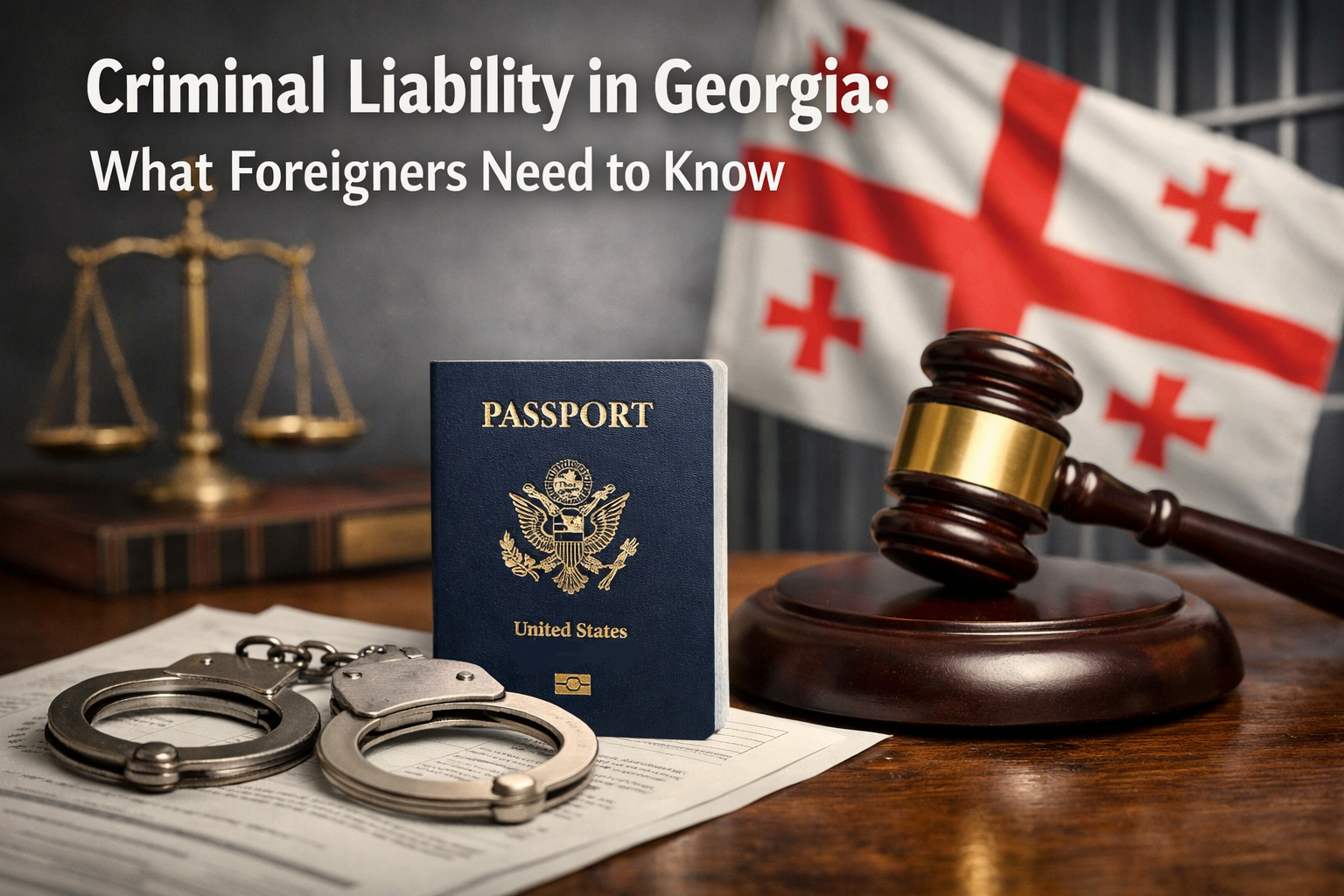
Criminal Liability in Georgia: What Foreigners Need to Know

Money Laundering in Georgia: Legal Risks, Criminal Defense & Asset Protection
Advocate Tamta Zarnadze Explains the New Work Permit Law for Foreigners

Cyber crime Case Study in Tbilisi — MyMarket.ge Fraud Defence

Real Estate Lawyer in Batumi— Case of $250,000 Saved